That’s only seven days being on the Nanchang campus, but if I asked my feet, they would say it’s more. Being sedentary here is not a relaxing task. Supposing you spent most of your life in dense European cities, like me, you would feel that every distance is demultiplied. Hunting for food, chasing forms, every single action that went imprinted in my circuitry during thousands of years of evolution, it seems here that it requires more resources. How was I going to cope with this? I needed to evolve. Fast.
No need to reinvent the wheel. I just looked around and I saw … bikes. There were lots of them, mostly electric, quietly moving around, each one executing its part of a gigantic choreography. I wanted to be part of that.
So I started looking in the shops and the e-commerce websites (a parallel world which you don’t need a bike to explore, but that can leave you very far from where you entered anyway). And I got stuck for a few days into a dilemma: electric or mechanic? Should I be part of those who confidently embrace technological progress, moving without apparent effort above the ground, like angels, leaving in their wake tye heavenly purr of an electric motor? Or should I join the ranks of the athletes, relying on the strength of their own muscles to reach their destination?
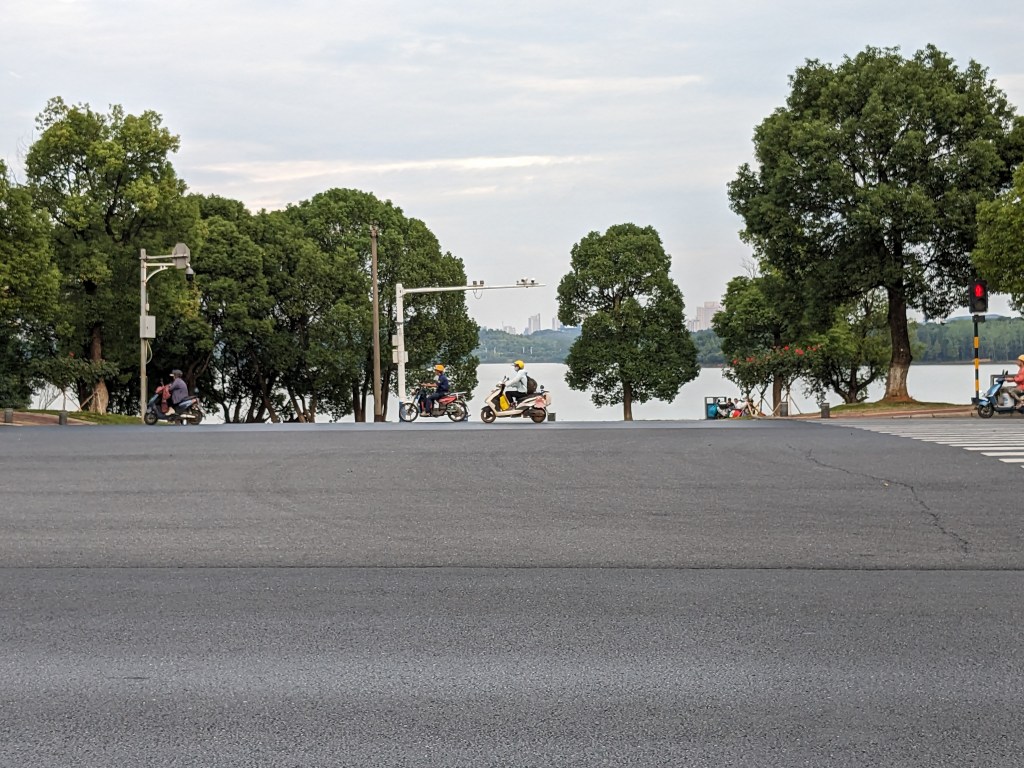
The situation has changed rapidly since my last stay in China in 2013. There are now almost as many e-bikes as classic ones (300 millions vs 450 millions). Technology has improved (longer lasting batteries, with greater energy density, brushless motors, ..). Local laws, after banning thermic motorcycles in the early 2000s from many cities, recently helped improving security. Therefore many brands have flourished. There are around 50000 registered manufacturers, but I soon learnt the names of the leading brands: Yadea, Niu, Aima, …
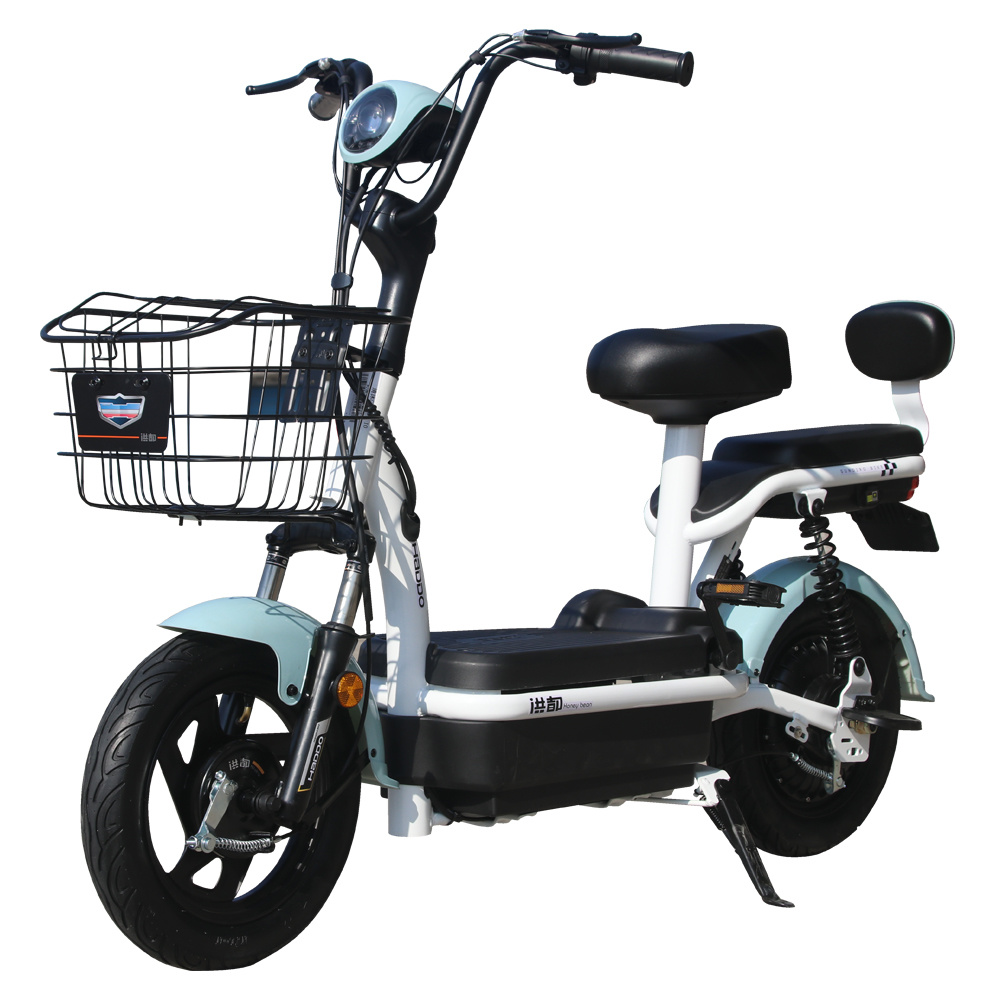
Be it for economic reasons (the price for an entry level model with 48V/15Ah battery still starts at 1500RMB, which is around 200USD, when you can have a decent bike for a third of this price), or for environmental considerations (battery life is no more than 3 years and are still in majority lead-based), I opted for a classic bike. That’s also less hassle about repairs, battery charge and security, or even plate registration. And perhaps the possibility of going out for a nature excursion. With a big question mark: even if Nanchang ranks only 40th in the most populous cities in China, reaching countryside roads might still be something of a challenge.
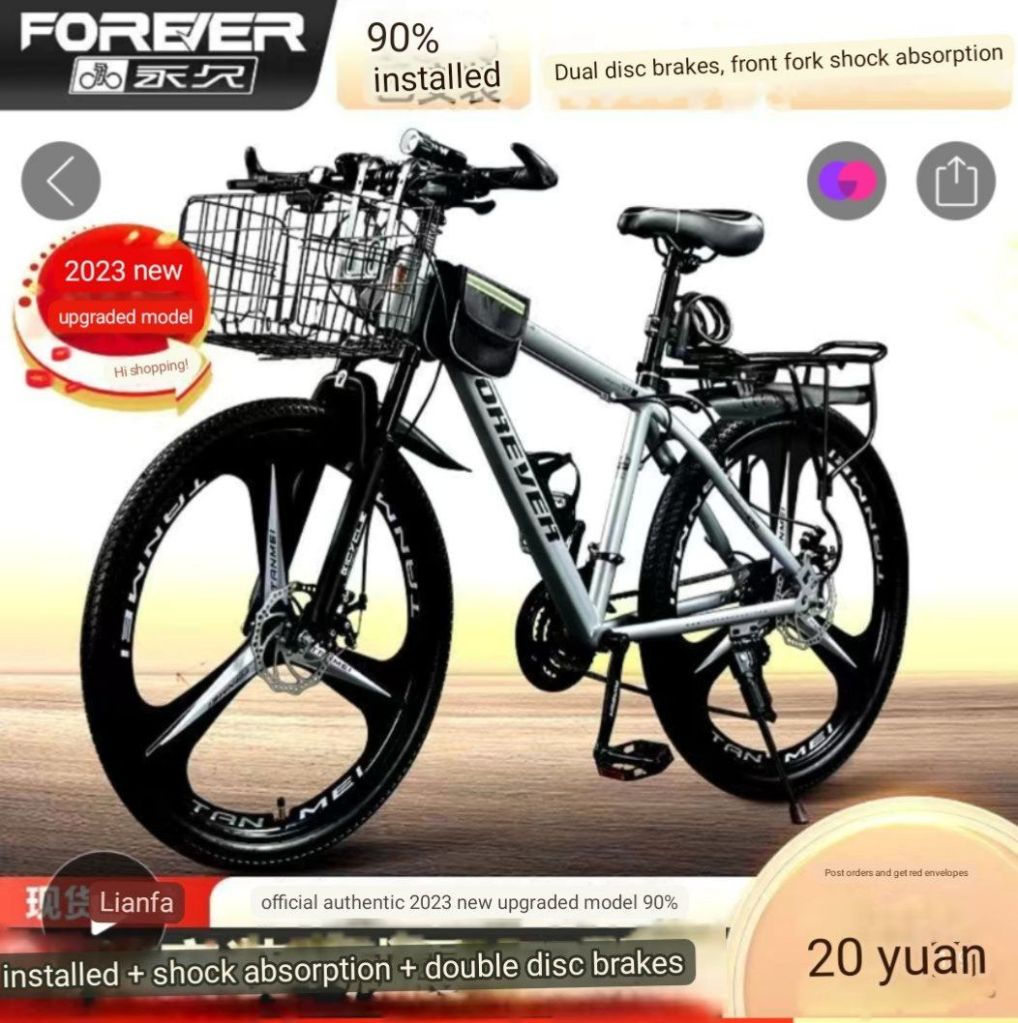
Then came the second dilemma: which model? The mind had a curious tendency to lose its focus as it comes closer to its initial goal. I got mesmerized by the flashy announcements praising the frame material, the full bearing design, or the packaged accessories. It was a slow exploration, yet greatly helped by the OCR translator on my phone. I also read further about the history of the most ancient bicycle brands, namely FeiGe (飞鸽 Flying Pigeon) from Tianjin, YongJiu (永久 Forever) and FengHuang (凤凰 Phoenix) from Shanghai. It more or less went the same way, with a steelworks plant diversifying its production and increasing output after the 1950’s, till representing at some point a quarter of the world bicycle output in the case of FeiGe. These companies became famous for their sturdy design and – until the irruption of the car – enjoyed high demand, despite a waiting queue that could last for months. Nowadays most of them are public or semi-public, which could have caused some fluctuations in the quality level of the production, as the investors were sometimes totally new to the business. Anyway, I still saw many of them on the campus, proving that they must be a good choice. When it will be delivered, and if I manage to assemble the remaining 10%, I will be able to check by myself.
 Stepping stones